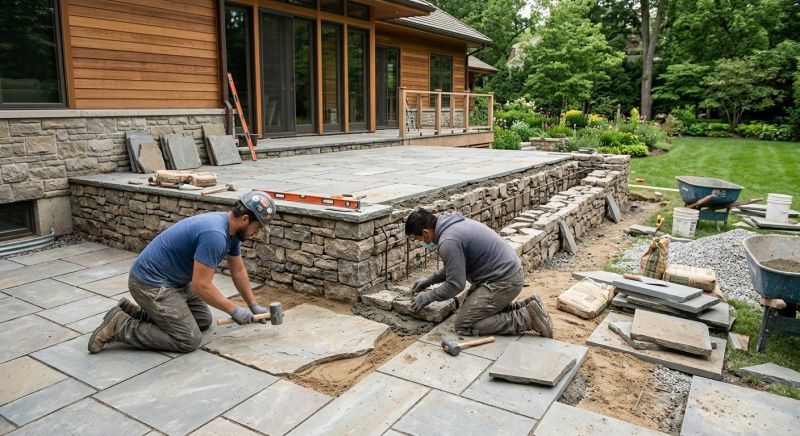
Stone Edging Installation in Boston, MA
Stone edging installation involves placing durable stone materials along garden beds, walkways, driveways, or property boundaries to create a defined and polished appearance. This service is suitable for a variety of projects, including separating lawn areas from flower beds, outlining pathways, or enhancing landscape borders. Property owners typically want to understand the different types of stones available, such as natural stone or concrete, as well as the benefits of each in terms of durability and aesthetic appeal. Additionally, considerations about the size, style, and installation process are common questions before requesting stone edging services.
Homeowners often seek stone edging to improve curb appeal and maintain clear property boundaries. Before requesting installation, it’s helpful to consider the existing landscape design, the overall style of the property, and the intended function of the edging-whether for decorative purposes or to contain mulch and soil. Understanding the scope of the project, including the length and height of the edging, can assist in planning the appropriate materials and layout. Clear communication about these details can help ensure the finished result aligns with the property owner’s vision.
Many property owners in Boston, MA look into Stone Edging Installation for repairs, replacements, upgrades, and appearance-related improvements.
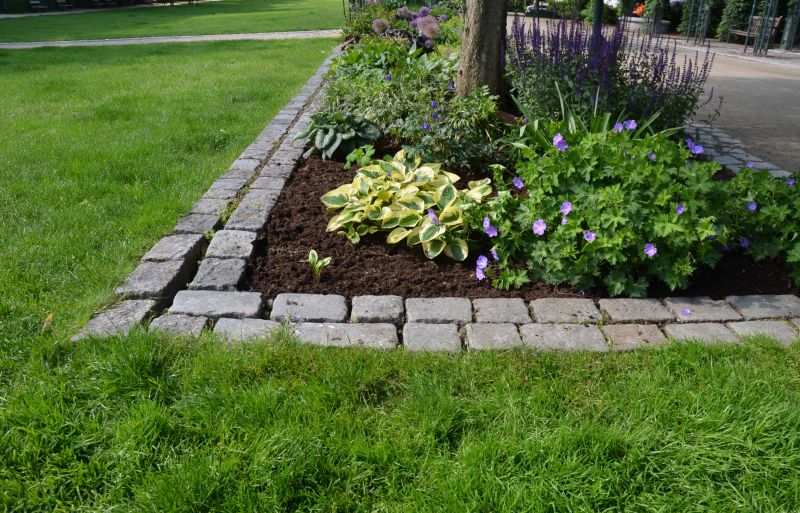
Enhancing Landscape Borders
Stone edging provides a durable and attractive border for garden beds and lawns.
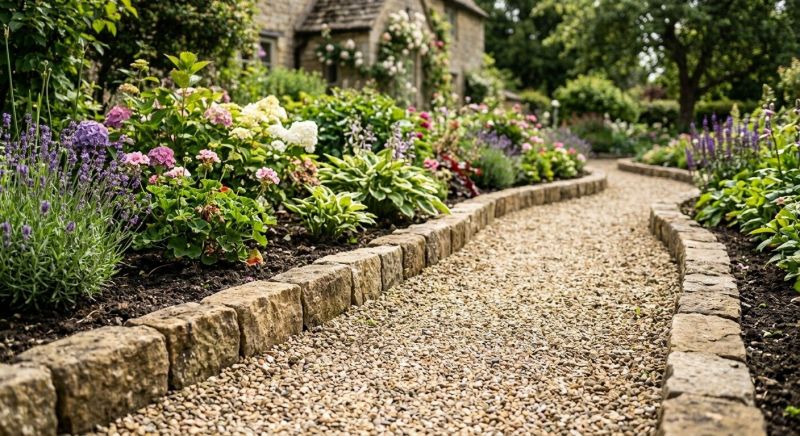
Defining Property Spaces
Installing stone edging helps clearly separate different areas of a yard or landscape.
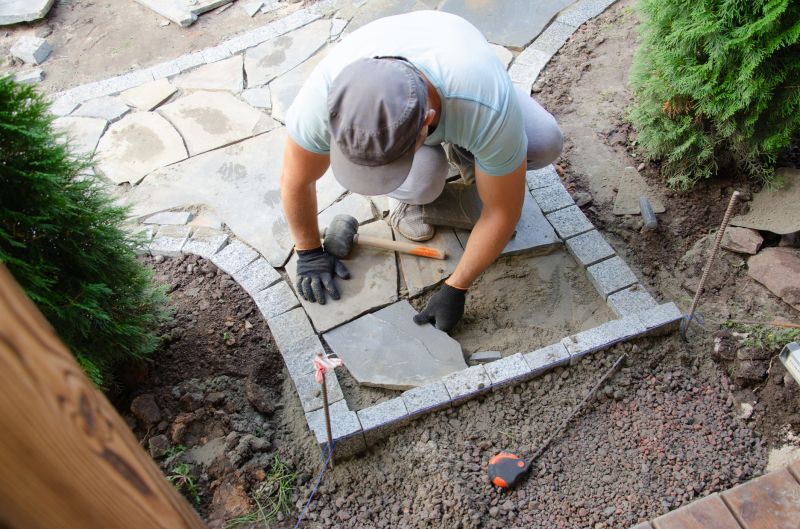
Adding Visual Appeal
Stone borders create a polished look that complements the natural surroundings in boston neighborhoods.
Stone Edging Installation in Boston, MA
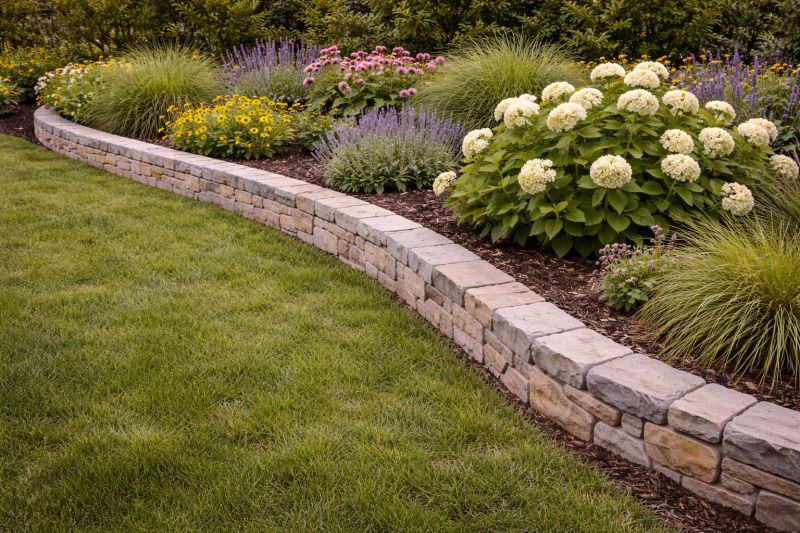
Stone edging installation involves placing durable stone materials along garden beds, walkways, driveways, or property boundaries to create a defined and polished appearance. This service is suitable for a variety of projects, including separating lawn areas from flower beds, outlining pathways, or enhancing landscape borders. Property owners typically want to understand the different types of stones available, such as natural stone or concrete, as well as the benefits of each in terms of durability and aesthetic appeal. Additionally, considerations about the size, style, and installation process are common questions before requesting stone edging services.
Homeowners often seek stone edging to improve curb appeal and maintain clear property boundaries. Before requesting installation, it’s helpful to consider the existing landscape design, the overall style of the property, and the intended function of the edging-whether for decorative purposes or to contain mulch and soil. Understanding the scope of the project, including the length and height of the edging, can assist in planning the appropriate materials and layout. Clear communication about these details can help ensure the finished result aligns with the property owner’s vision.
Many property owners in Boston, MA look into Stone Edging Installation for repairs, replacements, upgrades, and appearance-related improvements.
Stone Edging Installation Questions
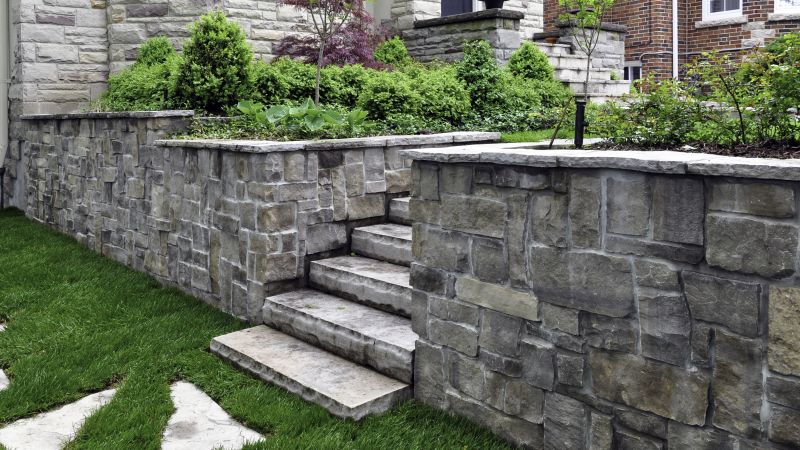
What is stone edging used for? Stone edging is commonly used to define garden beds, create borders along walkways, and prevent soil erosion in landscaping projects.
What types of stones are suitable for edging? Popular options include natural stones like granite, limestone, and fieldstone, as well as manufactured concrete blocks designed for outdoor use.
How durable is stone edging? Stone edging is highly durable and resistant to weather, making it suitable for long-term outdoor installations.
Can stone edging be installed around existing landscaping? Yes, stone edging can be added around existing garden beds, pathways, or lawns to enhance structure and appearance.
Request Stone Edging Installation in Boston, MA
Use the quote form on this page to share the basics of your project and request more information for the type of work you need.